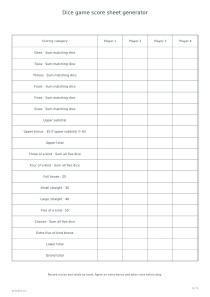
Make an original score sheet for five-dice games such as Yahtzee. Choose player columns, add optional names and scoring hints, and print blank tables with upper, lower, bonus and grand-total spaces.
Live preview210 × 297 mm
A4
Preview is scaled to fit. The PDF keeps the exact dimensions.
PDF and Print include all pages. PNG and SVG save the page shown.
For true-size printing: choose 100% / Actual size, match the paper size and turn off headers and footers. Printing guide ↗
Ready for your printer
Keep one shared scoring table visible to the group so players can see which categories have already been used. This generator prepares the blank record; players enter their scores and calculate totals themselves. Agree on the edition’s extra-bonus and Joker rules before starting, because the sheet provides space for those entries without acting as a rules engine.
💡A few useful answers
Does the sheet calculate a score from my dice?
No. It is a blank printable record. Players decide which category is legal, write the score and add the totals. The editor does not accept a dice roll, validate a move, maintain an online game or automatically award any bonuses.
Are repeated five-of-a-kind rolls handled automatically?
There is a dedicated space for recording extra bonuses, but no automatic Joker or repeated-roll logic. Use the instructions for the edition your group has chosen. Those rules can affect both the bonus and which remaining scoring category must be filled.
Can I print a sheet without player names?
Yes. Leave the optional names field blank and choose the number of columns you need. Generic player headings remain available for handwritten names later. This is useful for a club or classroom where the final participants are not known when the sheets are prepared.
Build a readable table for your group
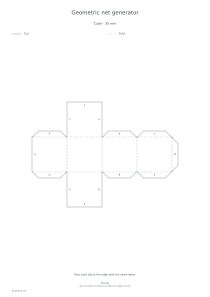
✏️Choose between one and six player columns. Optional names appear at the top of those columns, with a limit of twenty-four characters per name. Leave the field empty for generic player headings, or supply fewer names than columns to keep some generic headings. If you need physical dice as a separate craft activity, the geometric net generator offers cube nets; this score sheet itself does not roll dice or include a game simulation.
The upper section contains ones through sixes. Each of those rows records the sum of dice showing the named number. Add the six rows in the upper-subtotal space, then record the thirty-five-point bonus when that subtotal reaches at least sixty-three. The upper-total row combines the subtotal and applicable bonus. Keeping these three steps visible helps avoid counting a bonus twice when transferring the final totals.
Keep category scores and subtotals separate
The lower section has three of a kind, four of a kind, full house, small straight, large straight, five of a kind and chance. Three or four matching dice and chance use the sum of all five dice when the chosen category is valid. The fixed entries shown in the hints are twenty-five, thirty, forty and fifty for full house, small straight, large straight and five of a kind respectively.
Scoring hints can remain visible for a mixed-experience group or be hidden for a cleaner table. They are compact reminders, not a complete account of turn order, rerolls, category eligibility or Joker exceptions. A separate extra-five-of-kind-bonus row gives players room to record the amount allowed by their agreed rules. Compare that amount with your game’s instructions before adding it to the lower total.
Prepare enough copies for the session
📝One copy means one complete score sheet; up to four copies can be placed in a single download. Copies repeat the same column structure and names rather than generating new opponents or tournament rounds. Use numbered tickets if you want a separate way to identify tables or sessions. Keep that organization outside the scoring cells so the actual results remain easy to read.
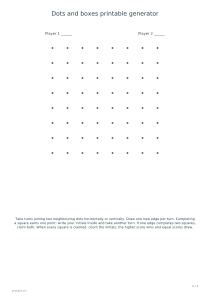
For six players, landscape paper gives each person a wider writing column. Review the longest names before printing and shorten them if they crowd the header. After the game, check the upper total, lower total and grand total as separate additions. A dots-and-boxes sheet is another compact tabletop activity when your group wants a different game rather than another five-dice scorecard.
Dice game score sheet generator
Four players with helpful reminders
Choose four player columns, one copy and scoring hints enabled on portrait A4. Leave names empty for generic headings. The single sheet includes all thirteen scoring categories plus the separate subtotal, bonus and total rows used during manual scoring.
Set six player columns, two copies and hide scoring hints. Select A4 landscape. The PDF contains two matching sheets, each with six writing columns; the wider orientation provides more room across the table without changing any scoring categories.