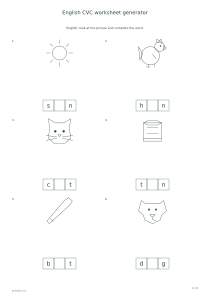
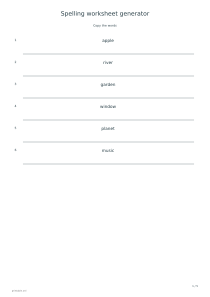
Make English CVC worksheets with original pictures and missing letters. Choose a short vowel, decide which letter positions to leave blank, and create a printable practice set with a matching answer key.
Live preview210 × 297 mm
A4
Preview is scaled to fit. The PDF keeps the exact dimensions.
PDF and Print include all pages. PNG and SVG save the page shown.
For true-size printing: choose 100% / Actual size, match the paper size and turn off headers and footers. Printing guide ↗
Ready for your printer
Start with words the learner already understands when spoken. A picture helps establish the intended word, but it cannot teach an unfamiliar sound on its own. Say the word together before asking for a missing letter, and keep a completed copy nearby so that an adult can clarify a drawing without turning the exercise into a guessing game.
💡A few useful answers
Why are the words still English on another language version?
CVC here describes a specific English short-vowel activity. The local interface explains that scope, while translating the words would change the spelling and sound relationships being practised. Use a custom word-list tool for a native-language spelling exercise.
Why does the same picture appear more than once?
Each vowel has three illustrated words. A six-question single-vowel sheet therefore uses the small bank again in a shuffled cycle. Repetition is intentional; selecting Mixed increases the available bank to fifteen words but does not make it unlimited.
Does the answer key show only the missing letters?
The key fills all three boxes with the intended English word. That makes it possible to check spelling in context and discuss the visible letters too. The exercise pages retain whichever letters your chosen support setting leaves visible.
Match the sheet to an English phonics lesson
✏️These activities use English consonant–vowel–consonant words with short vowel sounds. The five groups contain cat, hat and bat; bed, hen and pen; pig, pin and tin; dog, log and pot; and sun, cup and bus. Changing the website language translates instructions and controls, while the English spellings remain the subject of the lesson. For a different language or your own vocabulary, choose the custom spelling worksheet editor.
Select one vowel when introducing a sound or contrasting familiar words within a small family. The mixed option draws from all fifteen pictures, which makes it useful after several groups have been discussed. There are three pictures in each single-vowel bank, so a longer worksheet intentionally repeats words. The arrangement code changes their order; it does not create new vocabulary, new pictures or a measured progression in difficulty.
Choose the amount of spelling support
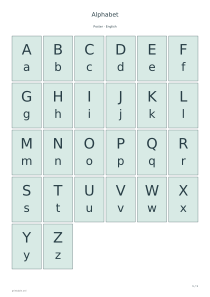
The missing-vowel layout keeps the first and last letters visible. A learner can focus on the middle sound while using the printed consonants as anchors. The first-consonant and last-consonant options move that focus to a different position. Use the printable alphabet chart alongside the activity when the learner needs a separate letter reference, rather than adding competing examples inside every answer box.
Leaving all three boxes blank asks for the entire pictured word. Try that setting only after checking the learner recognizes the intended object: a drawing may suggest another reasonable name, such as mug instead of cup. The key supplies the chosen bank word. It is a reference for this worksheet, not an automatic assessment of pronunciation, reading age or every possible description of the picture.
Use the pictured word bank deliberately
📝Six exercises occupy each worksheet, with room for three letter boxes beneath every drawing. Select six for a short session, twelve for two practice pages or twenty-four for four. If answers are enabled, the matching answer pages follow the exercise pages. Review the complete sequence before distributing copies so the solution sheets stay with the adult rather than appearing unexpectedly halfway through the activity.
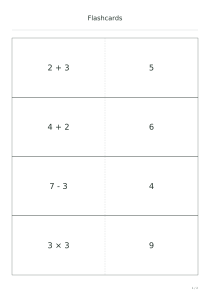
You can turn successful picture words into a later recall task with foldable question-and-answer flashcards. Introduce a few words, revisit them aloud and then change which letters are hidden. Keep the same arrangement code when comparing two layouts so the order remains familiar. None of these sheets includes audio, speech recognition or a sound-quality score; discussion with the learner remains part of using the material.
English CVC worksheet generator
A mixed-vowel introduction
Choose Mixed, hide the middle vowel, keep six exercises, arrangement code 17 and answers enabled on portrait A4. The result is one picture worksheet followed by its completed key. Discuss each picture aloud before asking for the missing vowel.
Choose vowel a and All three letters, six exercises, arrangement code 31 and answers enabled. On portrait A4 the cat, hat and bat bank appears across one exercise sheet, with intentional repetition, followed by a complete answer page.